
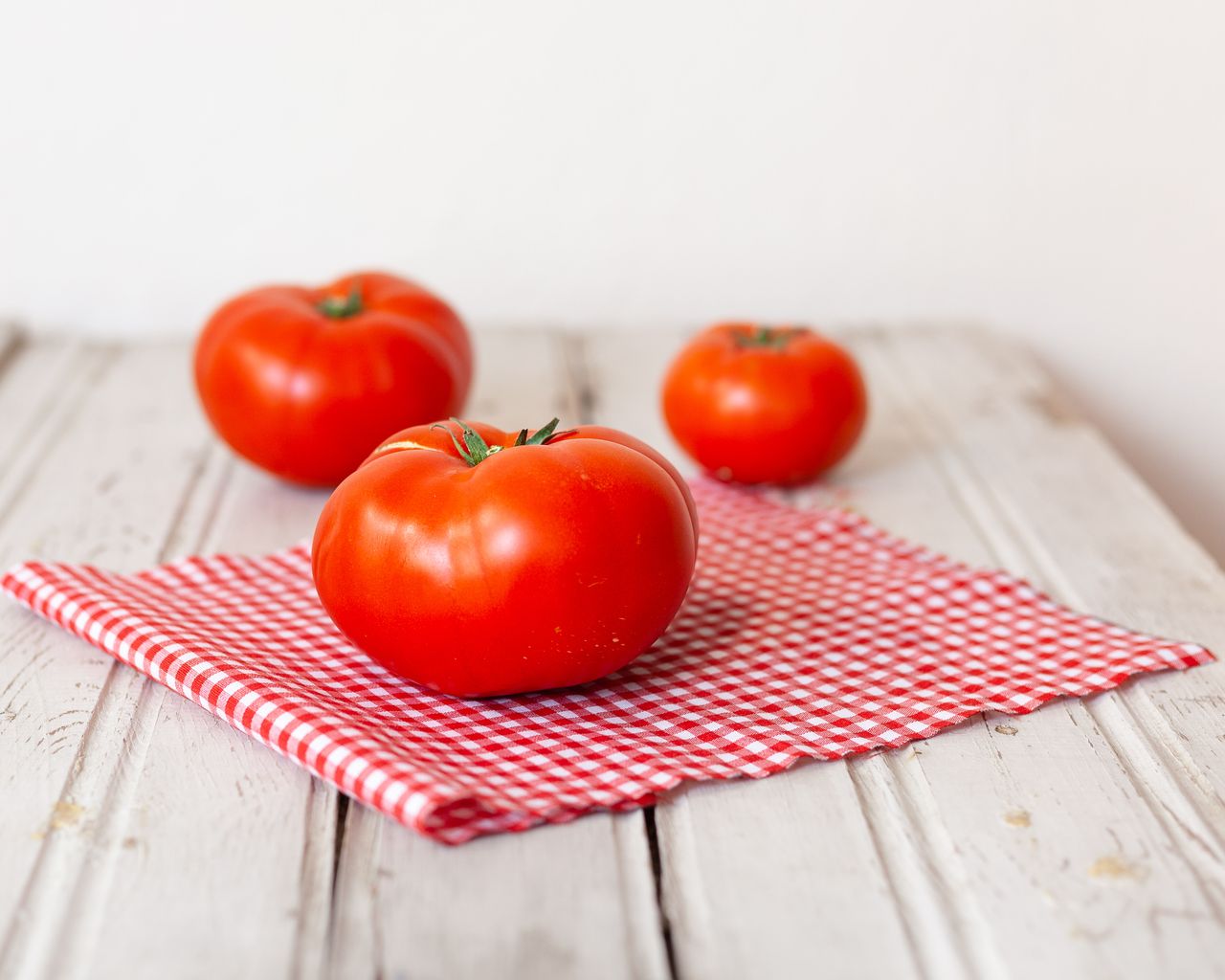
How Fertilizer Affects the Yield and Taste of Tomatoes
Tomatoes are among the easiest fresh produce crops to sell. Whether you’re supplying a supermarket, a roadside stall, a farmers’ market, or an informal market, there’s almost always demand for good tomatoes. That steady demand is one reason the crop remains so popular with commercial growers.
The sensory attributes of tomatoes such as flavor, sugar-acid balance, and overall aroma are the primary determinants of market value and consumer preference. In the modern marketplace, rising consumer demand for superior organoleptic profiles has necessitated a shift away from high-yield, low-flavor production toward strategies that prioritize nutritional quality and taste1 To achieve these sensory standards, nitrogen, phosphorus, and potassium fertilization plays a pivotal role by modulating metabolic pathways that govern the accumulation of soluble solids and organic acids within the fruit 2.
High yields and great flavour are not always the same thing. Growers focus on yield, disease resistance and shelf life, The latter is more important to retailers and consumers. Consumers look for something different. They prefer tomatoes that are sweet, slightly tangy, aromatic, and tastes like a tomato should. So, for a grower, finding the balance between yield and taste is difficult.
Tomato flavour is far more complicated than simply being sweet or sour. It’s created by a combination of natural sugars, organic acids, and hundreds of volatile aroma compounds that work together to produce the characteristic flavour of a ripe tomato. Researchers are still discovering exactly how these compounds interact, and it appears that relatively small changes in their balance can noticeably alter how we perceive flavour. Obviously each person has their own taste preferences which complicate things even more. Let’s just over complicate things for fun, when it comes to cooking, acidity and subtlety is also an issue. Some dishes require tangyness while others prefer a milder tomato taste.
A surprising number of factors influence these compounds. Genetics is probably the biggest one, but weather, irrigation, soil type, harvest maturity, storage conditions, and plant nutrition all play a part. Two tomatoes may look almost identical, yet taste completely different. If you’ve never compared several varieties side by side, it’s worth trying. Buy a cherry tomato, a beefsteak, a Roma, and perhaps an heirloom variety from the same market and taste them one after another. The differences can be remarkable.
Nitrogen (N), phosphorus (P), and potassium (K) are the three nutrients a farmer has most control over, that is in open field tomato production, hydroponics is a different situation. That is because they are absorbed in such large quantities. The source and type of fertilizer will also have an effect on the perceved flavour and nutritional value of the fruit, which is why using organic fertilizer is so important3.
Nitrogen drives vegetative growth. It allows plants to produce chlorophyll, which is essential for photosynthesis, and encourages the development of stems and leaves. When nitrogen is supplied at appropriate levels, tomato plants generally grow vigorously and have the potential to produce high yields. Too much nitrogen, however, often shifts the balance towards excessive leaf growth. Growers sometimes end up with lush green plants that look impressive but produce fruit with milder flavour and lower sugar concentrations. On the other hand, nitrogen deficiency limits growth, reduces fruit set, and can substantially decrease yields.
Phosphorus plays a different role. It supports root development, energy transfer within the plant, and early flowering and fruit formation. A healthy root system is likely to improve the plant’s ability to absorb both water and nutrients, particularly during periods of stress. Although phosphorus is well known for promoting plant establishment, its direct influence on tomato flavour is less clear. Some studies suggest indirect benefits through improved plant health, while others report only small effects on fruit quality. It’s an area where there is still room for further research.
Potassium is often described as the quality nutrient, and for good reason. It regulates water movement, activates numerous enzymes, and helps transport sugars produced in the leaves into the developing fruit. Adequate potassium nutrition is commonly associated with improved fruit colour, firmness, shelf life, and flavour. Tomatoes supplied with sufficient potassium also tend to develop higher soluble solids, which generally translates into better sweetness and a richer overall taste. That doesn’t mean more potassium is always better, but maintaining adequate levels appears to be particularly important for producing high-quality fruit.
Of course, these nutrients never work independently. Increasing one nutrient can influence the uptake of another, and the best results usually come from maintaining the right balance rather than applying large amounts of a single fertilizer. More fertilizer does not automatically mean higher yields. Beyond a certain point, the more nutrients simply increase production costs and raise the risk of nutrient losses into rivers, dams, and groundwater and increases susceptibility to diseases and insect damage. Applying too little fertilizer creates a different problem, leaving plants unable to reach their yield or quality potential.
Interestingly, much of the published research has concentrated on maximizing tomato yield. That’s understandable because yield directly affects farm profitability. Comparatively fewer studies have examined how fertilizer programmes influence flavour under practical field conditions, where rainfall, temperature, soil type, and seasonal variation all affect plant performance. As consumer interest in flavour continues to grow, this gap in knowledge is becoming increasingly relevant.
There is no universal fertilizer programme that works for every tomato field. The optimum nutrient application depends on factors such as soil fertility, soil texture, organic matter content, irrigation management, climate, expected yield, and even the variety being grown. Still, broad recommendations provide a useful starting point.
Typical fertilizer ranges for high-yielding field-grown tomatoes are:
- Nitrogen (N): 100-250 kg/ha. Essential for vegetative growth and yield.
- Phosphorus (P): 20-110 kg/ha (often expressed as P₂O₅). Important for root development and fruit set, although many soils already contain adequate phosphorus.
- Potassium (K): 160-350 kg/ha (often expressed as K₂O). Plays a major role in fruit size, quality, colour, firmness, and disease tolerance.
These recommendations vary considerably between production systems and regions. For example, the FAO recommends approximately 100-150 kg/ha nitrogen, 65-110 kg/ha phosphorus, and 160-240 kg/ha potassium for high-yielding tomato crops. Cornell University generally recommends around 100 kg/ha nitrogen while adjusting phosphorus and potassium according to soil test results, with some fields requiring little or none of either nutrient. By comparison, Haifa Group’s recommendations for irrigated, high-yielding open-field tomatoes are substantially higher, reflecting much greater expected yields and more intensive management.
Research from Dagestan, Russia, reported maximum yields of roughly 89-95 t/ha using a fertilizer programme of N180 P135 K60 under drip irrigation. Meanwhile, studies on processing tomatoes have identified optimum fertilizer rates that differ again, highlighting how production goals influence nutrient requirements.
Looking at these recommendations side by side makes one thing clear: there is no single “correct” fertilizer rate. What performs well in one location may produce disappointing results somewhere else. That is why soil testing remains one of the most valuable tools available to growers. A good soil analysis reveals existing nutrient levels, pH, and other properties that determine how much fertilizer is actually needed. Without that information, fertilizer decisions are often little more than educated guesses. It’s also worth remembering that phosphorus and potassium recommendations are frequently expressed as the oxide forms P₂O₅ and K₂O rather than elemental phosphorus and potassium. Comparing recommendations without noticing this difference can easily lead to confusion.
Another practical consideration is timing. Nitrogen and potassium are commonly applied in several smaller applications throughout the growing season instead of all at planting. Matching fertilizer supply with the plant’s changing nutrient demand generally improves nutrient use efficiency and reduces losses through leaching, particularly in sandy soils or under irrigation.
Finally, the fertilizer ratio matters just as much as the total amount applied. Ratios such as 3-1-5 or 5-2-8 are often recommended because they provide sufficient potassium for fruit production without supplying unnecessary amounts of phosphorus. In the end, fertilizer recommendations should be viewed as guidelines rather than fixed rules. Every field has its own characteristics, and every season presents different challenges. The most successful tomato growers tend to combine soil testing, careful observation, and practical experience to fine-tune their fertilizer programmes. That approach not only supports high yields but also increases the chances of harvesting tomatoes that people genuinely enjoy eating.
References
- Beyuo, Janet & Sackey, Lyndon & Aduku, Linda & Apprey, Charles & Lutterodt, Herman & Annan, Reginald. (2026). Influence of soil health on tomato sensory quality: a PRISMA-based systematic review. Discover Agriculture. 4. 10.1007/s44279-026-00512-8.
- Li, Wangxiong & Zhang, Yang & Tang, Zhongqi & Wang, Junwen & Wu, Yue & Yu, Jihua. (2024). Balanced Fertilization Enhances the Nutritional Value and Flavor Profile of Tomato Fruits. Foods. 13. 3599. 10.3390/foods13223599.
- TURHAN, Ahmet & ÖZMEN, Neşe. (2021). Effects of Chemical and Organic Fertilizer Treatments on Yield and Quality Parameters of Processing Tomato Plants. Tekirdağ Ziraat Fakültesi Dergisi. 18. 10.33462/jotaf.741367.
Share This Story, Choose Your Platform!
About the Author: Antonius

Related Posts

Recent Posts
Keyword Index

Small 10L under counter geyser for basins