
Can Organic Matter Replace Synthetic Fertilizers in Tomato Production?
It is possible to grow a healthy crop purely by adding enough compost to the soil. Gardeners and small scale farmers do it every day. But, it is not viable as a large commercial grower. Just to maintain the carbon to nitrogen ratio (C/N) in the soil will take at least 30t/ha organic material, and that is expensive. It is also labour intensive to spread it evenly over the field.
Unlike synthetic fertilizers, which release plant nutrients almost immediately, organic matter decomposes slowly, releasing nutrients over time as it breaks down. This gradual release provides tomato plants with a more consistent supply of nutrients throughout the growing season, reducing the risk of nutrient losses through leaching.
We all know that organic matter improves soils in various ways. You don’t need to be a scientist to know this. Trails done on wheat farms proved that soils permeability, water holding capacity, cation exchange and soil structure improved drastically over a period of 7 years with no-tillage farming. Having a good healthy soils can be a life saver during drought, high temperatures and even heavy rains. Good soils help plants to cope with stress situations.
One of the biggest advantages of high C/N ratio (thus lots of organic material in the soil), is the high concentration of microorganisms such as bacteria, fungi and earthworms. The living part of the soil breaks down the organic material into nutrient rich compounds that the plant can use to grow. Even the bacteria, and there are billions of them in the soil, become food for plants when they die. So, the more organic material in the soil, the more nutrients will be available for plant growth.
Research has shown that tomatoes grown in soils with high organic matter content produce higher yields and better-quality fruit over time. In many cases, tomatoes have improved flavour, firmer texture, and higher nutritional value. Organic matter can’t always supply enough nutrients in intensive commercial farming, a combination of synthetic fertilizers and compost will always be better than no compost at all.
Increasing the C/N ratio over time, thus adding more organic material over and above the required maintenance levels will pay of in various ways over the long term. At a certain level the soil organic biosphere not only feeds the crop, but it feeds itself naturally, creating healthier growing conditions for the following seasons. Whatever you do to increase the soil organic matter, it will improve productivity and your bottom line.
Not all organic material is the same. There are pros and cons to each type and it depends on where you are situated and what is available. It is not feasible to transport 100 tons of compost over a 1000km. There will be situations where you don’t have a choice but to buy kraal-manure (The Dutch to it almost exclusively, but they know where their cows went at night). So the best organic material will be which one improves soil structure, increases microbial activity, and supplies the most nutrients without introducing weeds, pathogens, or contaminants. You will only know this if you allocate small sections of your farm for trails and testing each type of organic material.
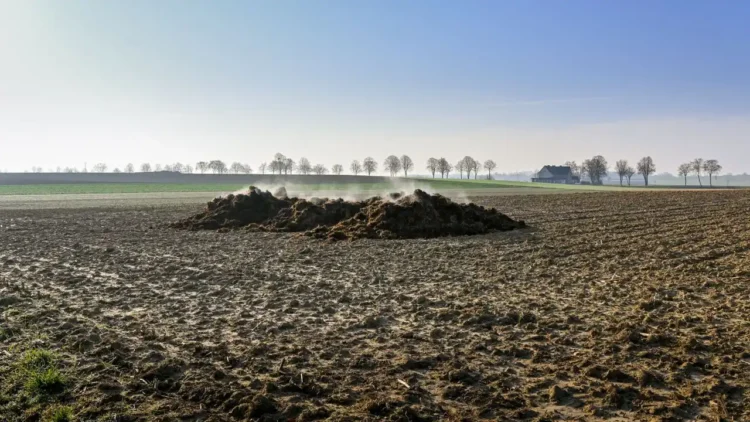
Kraal manure in maize field (Photo by Lorna Pauli)
Compost from green waste, crop residues, or mixed organic materials is generally considered the best all-round organic ameliorant. It is the most effective in improving soil structure and water holding capacity. Over time it has the most effective nutrient release rate over time and ensures a high concentration of soil microorganisms. It reduces nutrient leaching by providing an extremely high cation exchange rate surface. The recommended rate is 10-30 T/ha/year, but if you add more you will not damage the plants.
Animal manure from cattle, poultry, sheep, and horses are excellent but they must be properly composted. If not, it can cost you dearly in disease control and weed control. Cattle, sheep and horse manure provide good structure while chicken manure provides a very high concentration of nitrogen in the form of ammonia which can cause root burn, so be careful. Chicken manure is also applied at significant lower rates than other manures (the same applies to guano). Never apply fresh kraal manure to a field. Let the fresh kraal manure first decompose properly to the extent that it does not smell anymore. Fresh kraal manure may contain pathogens, weed seeds, or excessive ammonia.
Growing a cover crop with the intent of incorporating the plant into the soil is the cheapest. Depending on which crop you use, you get two harvests from one field. The idea is to grow a crop between for instance a tomato crop, without the cover crop hindering or limiting the tomato fruit harvest process. Also the cover crop must not have the same diseases as the main crop. Popular cover crops are Cowpea, Sunn hemp, Clover, Vetch, Oats and Rye. It is not a good idea to incorporate a tomato plant into the soil after harvesting. Tomatoes or most vegetable crops have too many diseases that can affect the following crop. Field crops have the advantage of suppressing weed growth and reduce erosion.
Combining a field crop such as wheat and maize into a crop rotation system with vegetables and leaving the field crops residues in the soil significantly increases soil C/N ratio over the long term.
Which combination gives the best results?
Research generally shows that no single source is ideal. The greatest improvements in vegetable yield and soil health often come from combining several practices:
- Apply 15–30 t/ha of mature compost before planting.
- Grow a legume cover crop between vegetable crops.
- Return healthy crop residues to the soil.
- Apply composted poultry or cattle manure where additional nutrients are needed.
- Do detailed soil analysis every year to better understand your soil condition.
This integrated approach can improve soil organic matter, nutrient availability, water retention, and microbial activity while reducing dependence on synthetic fertilizers.
For commercial tomato production, many agronomists consider mature compost combined with a legume cover crop and reduced synthetic fertilizer inputs to provide one of the best balances between high yields, fruit quality, and long-term soil sustainability.
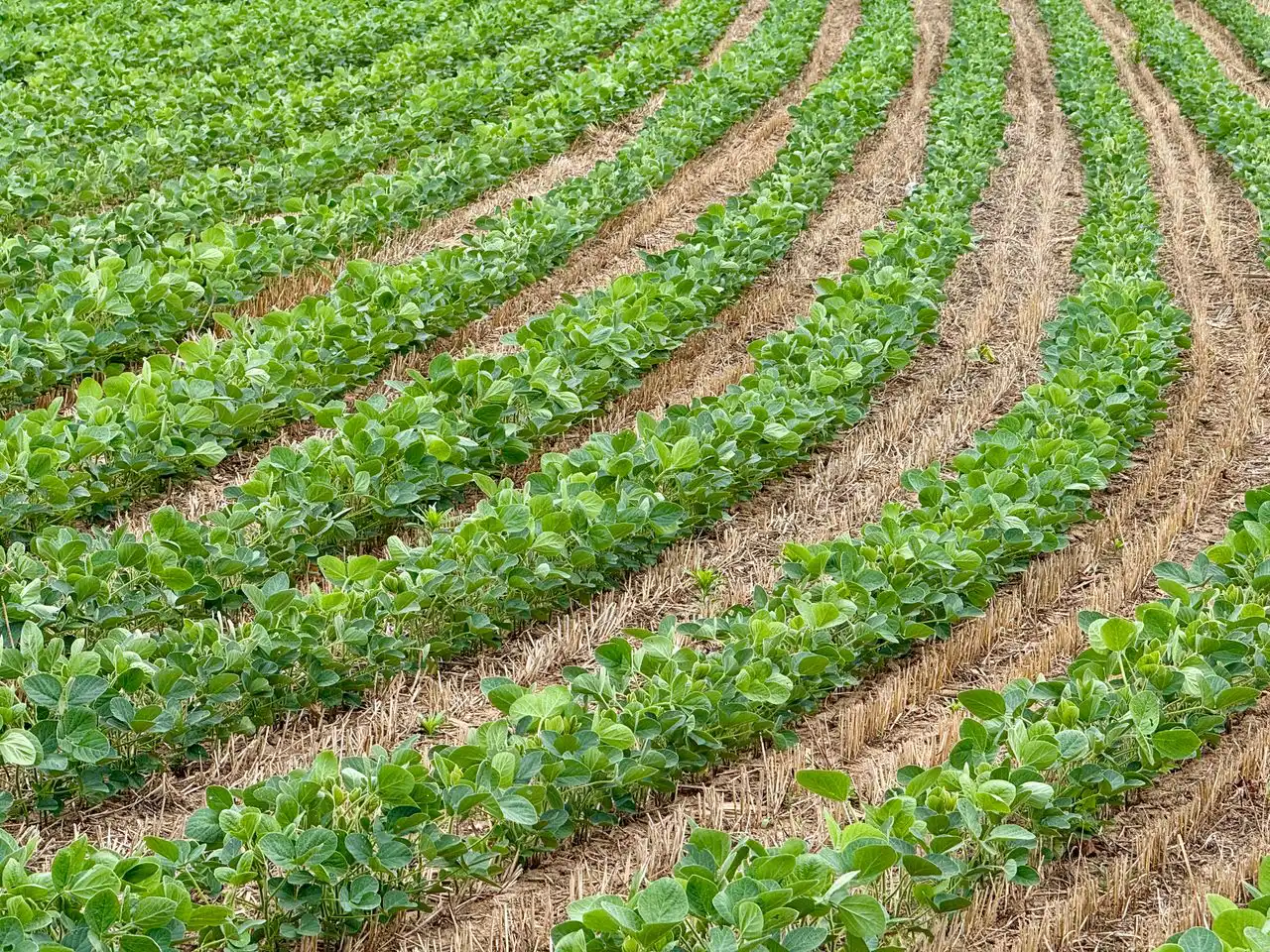
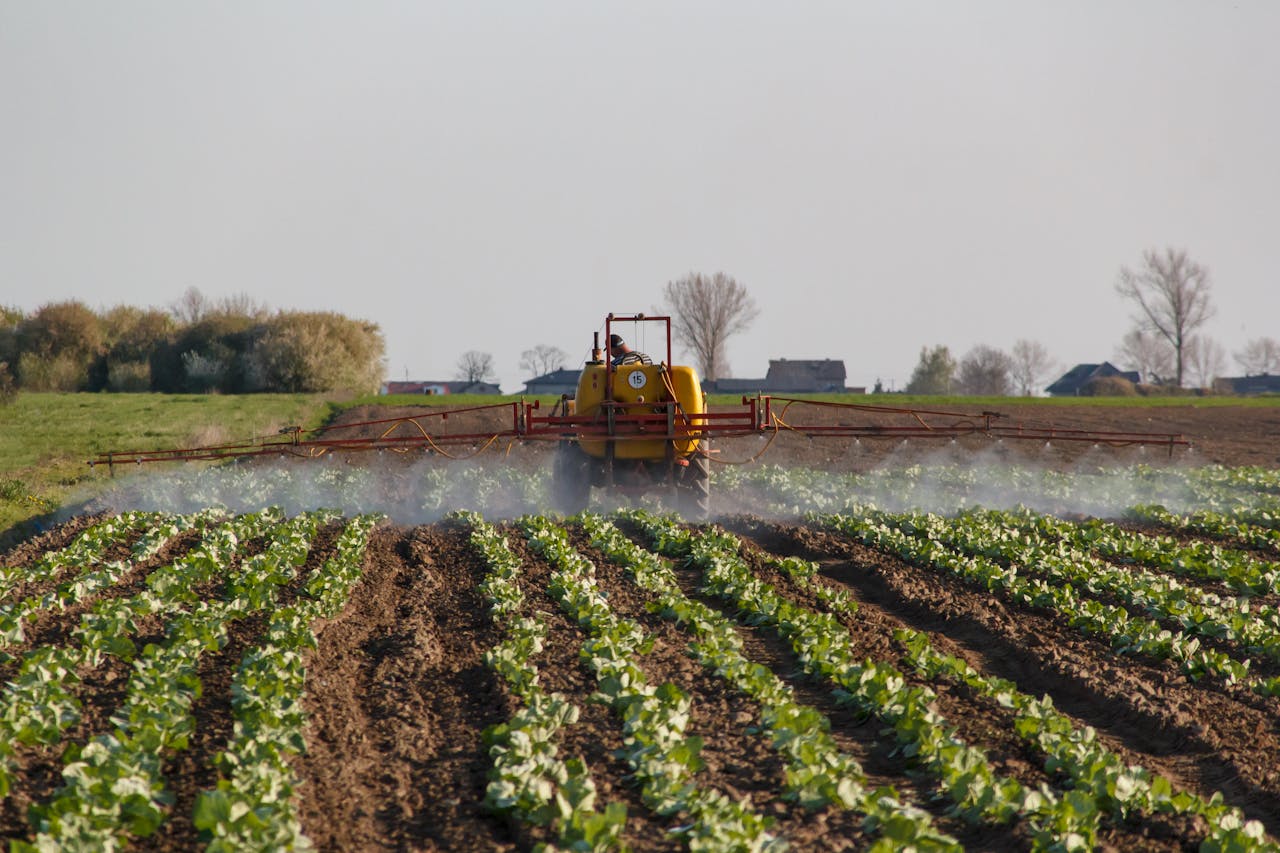
Featured image Photo by Clinton Weaver
Share This Story, Choose Your Platform!
About the Author: Antonius Lecuona

Related Posts

Recent Posts
Keyword Index

Small 10L under counter geyser for basins