

There are many plants that repel insects. Most insect repelling plants can also be used commercially. see the list below. However, any monocrop field will attract various insects that will cause damage. Just because lavender repels certain moths, it does not mean that lavender will be moth free and not eaten. Another conundrum, flies play [...]

As a tomato farmer, you know that weed control is a crucial aspect of successful tomato production. Among the various limiting factors that affect the growth of tomatoes, weed competition is a major contributor to yield loss. In fact, research has shown that the critical period during tomato production in which effective weed control is [...]

Root knot nematode, Meloidogyne spp., are small round worms present on the roots and must not be confused with root knots of Rhizobium spp., which are actually good for the plant. Legume nodules are smaller and pinkish inside while Root Knot galls are distorted and have abnormal branches. Root Knot infestation just looks bad compared [...]

A good spray programs is not rocket science, and it shouldn't be. There are millions of successful farmers around the world that get it right without having an agricultural degree. Pest management or pest control is about logic and simple easy to follow principles. It also requires you reading the instructions, not only of the [...]

Scientific application of a spray program ensures its effectiveness. All chemicals must be applied at the right place (target) and the right time and in the right way. Pesticides and fungicides are dangerous chemicals, they are designed to kill pests and diseases, but they can also kill humans if not used correctly. The application method [...]

Beetroot mechanical weed control Weeds are controlled either by hand or chemically. Since beetroot seed is actually a small fruit with 2-6 seeds inside, the bunches of seedlings are thinned out so that only one seedling is left and at least 75mm apart. One of the biggest problems with weeds is that they compete with [...]

Soil-herbicide chemical degradation The soil-herbicde chemical decomposition are those processes that are not influenced by microbes. Chemical breakdown processes are Oxidation Reduction Hydrolysis Herbicides that are applied in wet soils with low oxygen will not be degraded through oxidation since those soils have low oxygen levels. Physical processes of herbicide degradation Soil-herbicide physical decomposition are processes such [...]

After applying a herbicide to a field with weeds, the herbicide needs to follow a certain path in order for it to be effective. Firstly it has to be absorbed through the leaf cuticle Secondly the herbicide must be trans-located through the plant in order to have any effect on plant growth. Any chemical that [...]
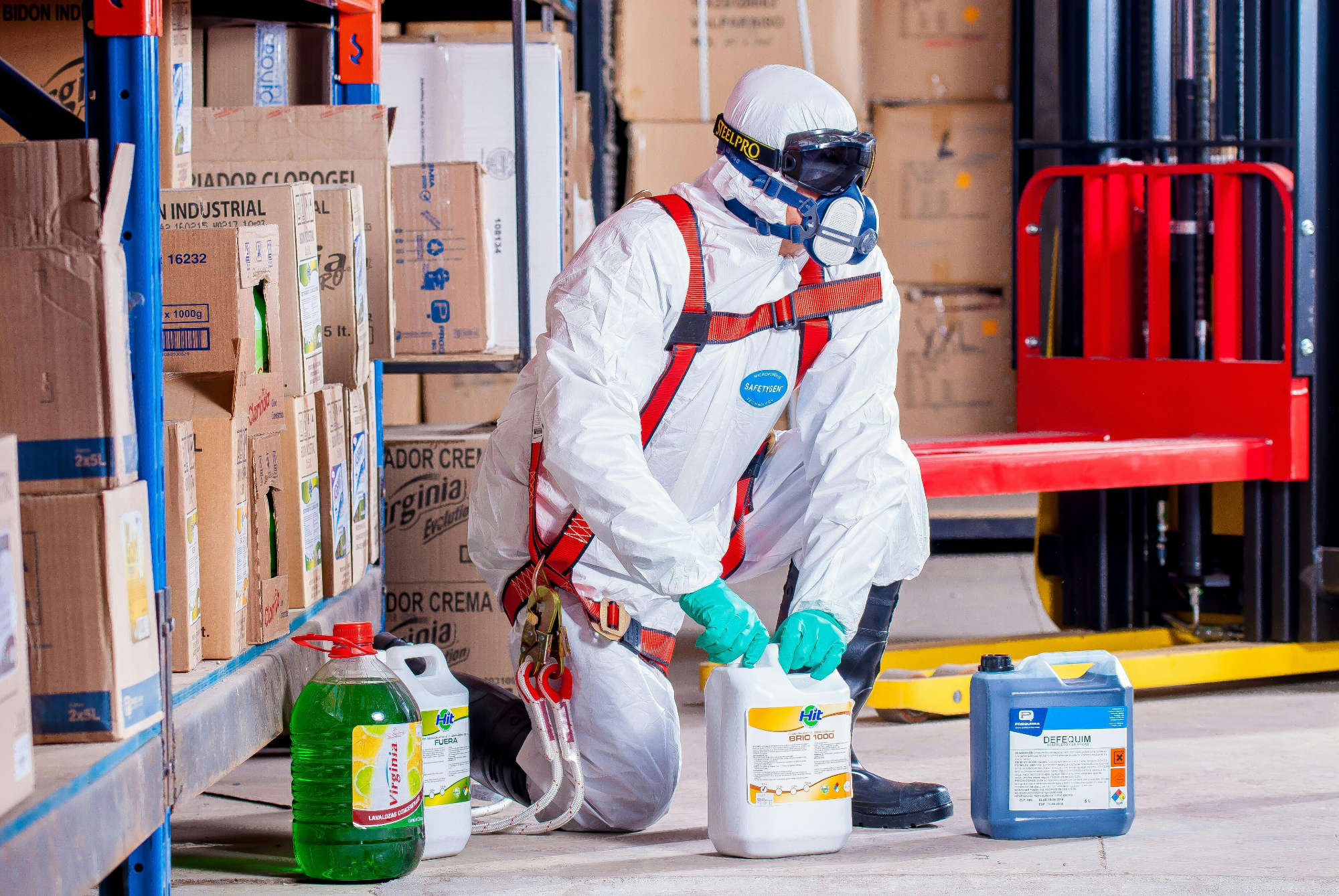
The selection of herbicides is not always based on the weed that it should control. There are many conditions in the environment that will influence the grower or user’s decision to use a specific herbicide. For instance, the length that the herbicide will be active in the soil will be of major importance with vegetable [...]

Once the active ingredient of the herbicide has been developed it has to be presented to the user in a format which will be both economical and effective. Many companies provide the growers with a herbicide in different formulations depending on the application. The different formulations are used in order to vary the volatility, solubility, [...]

Characteristics of each chemical group differs from each other so it is important to know to what group a herbicide belongs before applying it to a plant. Active ingredient will also provide an indication of lead time before a crop can he safely harvested. There are so many ways of classifying herbicides that we decided [...]

As the pressure increases to develop safer and more economical herbicides, the Government is forced to either withdraw or restrict some of the older chemicals. Table 3 provides a list of the restricted and banned herbicides used in South Africa. It is important to have this list handy so that anybody using these chemicals can be [...]

Application and Herbicide drift If pressure is used to apply herbicides, there will always be some herbicide drift through the air. If there is no commercial crop in the vicinity, spray drift will have no effect, however, when weeds have to be controlled between rows of a commercial crop, any spray drift might cause considerable damage. [...]
Recent Posts
Keyword Index
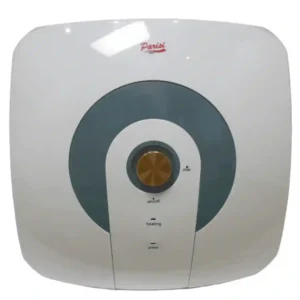
Small 10L under counter geyser for basins